
Part 4 1932 – 1936
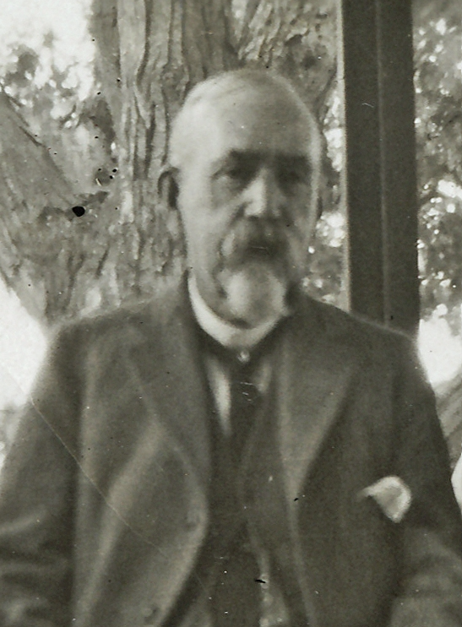
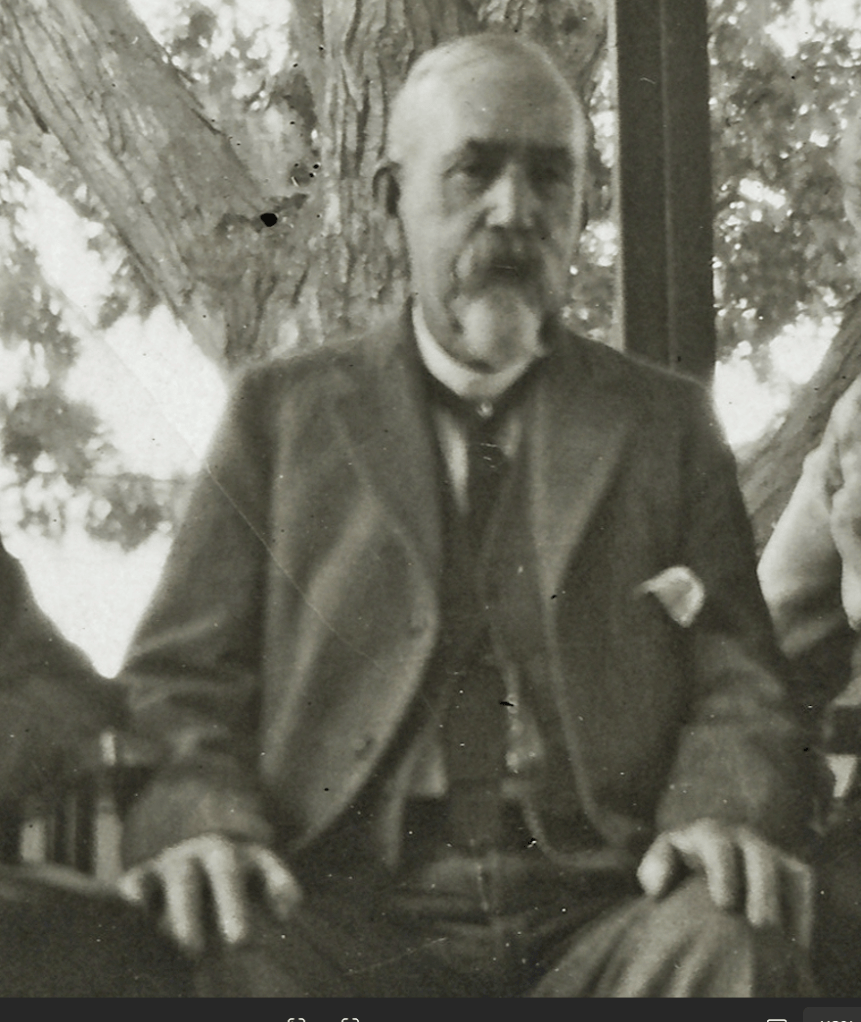
It has been a few weeks since we last left the trail of Henry Thompson and his missing years. Honestly, I have been dreading writing about the last chapter of Henry’s life. It is the price of digging into family history that sometimes you will unearth things that are wonderful and amazing, but you will also discover things that are dark and disturbing. The truth is the truth though, and if you praise the good then you must also reckon with the bad. I should note a trigger warning regarding elder abuse in the following story.
The last years of his life seem to have been difficult for Henry. Henry went to live with his nephew, Ralph Smith, after he returned to Wisconsin. I wondered why/how Henry ended up in Ralph’s home. Henry’s two remaining sisters died in 1932 and 1933 leaving him no immediate family. Mary Canfield had only one child living by 1933, Jessie, and she was already living with her daughter and renting rooms. Elizabeth Smith’s son Elmer was deceased by that time, leaving a wife and two children in California. Elmer’s son Sherman was married but renting, and his daughter Winnifred was living in a rented home with her mother and another tenant. None of these people seemed to have the room to care for another family member.
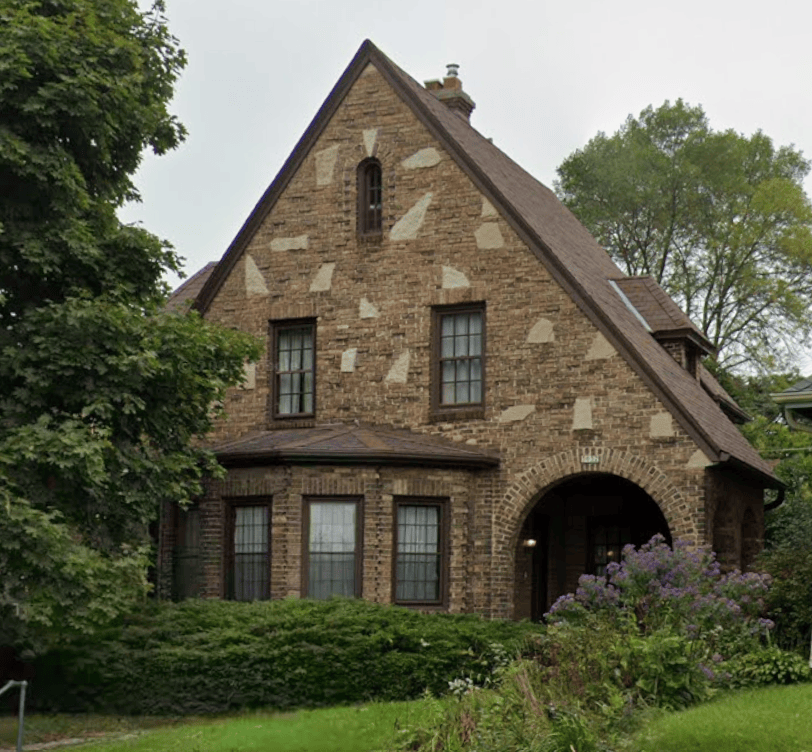
Elizabeth Smith’s daughter Maud Petrie had just finished caring for her dying mother in 1933 and had three children still living at home. Another daughter of Elizabeth was Gertrude Ehle. Her family was living in Whitefish Bay, Wisconsin with two children at home. Curiously her son Elmer was listed as the head of house on the 1930 census and he was married in the summer of 1933. Gertrude’s husband suffered from Multiple Sclerosis and passed away in 1937. It is possible that he was already showing signs of the disease by 1933 when Henry was needing a home for his last years. That left Ralph as the only other family option. They had a nice home – a story and a half, brick, 1,100 square feet with a fireplace and three bedrooms – for just Ralph and Sadie. Their son Raymond was married and no longer lived at home.
There was a report included in Henry’s military file from a Field Examiner from the Veteran’s Administration who went to the Ralph Smith home to check on his situation. There is no context in the included reports to determine whether this visit was a routine visit, or whether this visit was precipitated by some sort of welfare concern. When the Examiner, C. H. Brown, arrived on 14 October 1936, he was met by Raymond Smith, son of Ralph Smith. Brown reported a general description of the home noting it was a modern home, about 10 years old, well kept, comfortably furnished, and in a “good residential location”. Brown arrived at the home at 3032 N Cambridge Ave in Milwaukee at approximately 10AM and was told by Raymond that Henry was still abed. Raymond shared that Henry was going to be 94 in December that year, that he weighed about 170 pounds, was in good over all shape for a man of that age. Raymond also shared that Henry had broken his leg seven years prior which was never set properly and caused the leg to be turned out at a significant angle making it very difficult for Henry to walk. Raymond noted that Henry was using crutches at one point to help him get around. Raymond also provided that Henry could see and hear well and was mentally sound. He added that Henry always endorsed his own pension checks “which are always cashed for him by Mr. or Mrs. Smith.”
Examiner Brown must have thought that something was amiss. He noted in his report that he was unsatisfied with the information given by Raymond, and “knowing the general reputation of the Smith family where government money is concerned” Brown returned to the residence on 16 October to try again. He walked around the home, ringing doorbells at three different doors which went unanswered, but he could see Henry dozing in a window on the upper floor. Brown then called on the house next door to inquire about the Smiths.
At 3028 N Cambridge Ave, Brown interviewed Mr. and Mrs. A.H. Shubert and they did not have anything positive to say about the Smiths or their treatment of Henry. Mrs. Shubert reported incidents where the Smith family set Henry out on the porch for the day and left him alone, unable to even get a drink of water, and another day where a storm blew in and Henry was unable to shelter himself. He was assisted that day by some WPA workers who were working on the street in front of the home. They moved him back further under the porch. The workers then notified Mrs. Smith who came home and scolded Henry about getting wet. Mrs. Shubert reported that Henry was severely disabled and had extreme difficulty getting around without crutches which the Smiths had taken away from him. She further said that the Smiths did not allow Henry to talk to any strangers unsupervised at any time and that they sometimes leave their home and lock Henry inside. Examiner Brown noted that he had tried all three of the doors after having no answer and found that all three doors were locked. Mrs. Schubert also informed the Examiner that Henry had made a will earlier that summer and had named Raymond the beneficiary and referred Mr. Brown on to another neighbor, Mr. McMillan, who had witnessed the will.
At 3040 N Cambridge Ave, Examiner Brown met with Mrs. H.K. McMillan, who sadly confirmed much of the information provided by Mrs. Shubert. Mrs. McMillan added that Henry was seldom allowed outdoors and that Mrs. Smith was particularly cruel in her treatment and language toward Henry which the neighborhood had witnessed on multiple occasions due to the volume of her outbursts. Mrs. McMillan’s husband was called over to witness Henry’s will earlier that summer along with Mr. and Mrs. Ralph Smith, and an attorney. She mentioned that Henry had a broken leg, and needed the use of crutches to get around, but that he was not allowed the use of them by the Smiths. Mrs. McMillan also reported that the Smiths spent much of their summer at their cottage in Eagle River and that they had left Henry home, locked in the house and only returned for short visits.
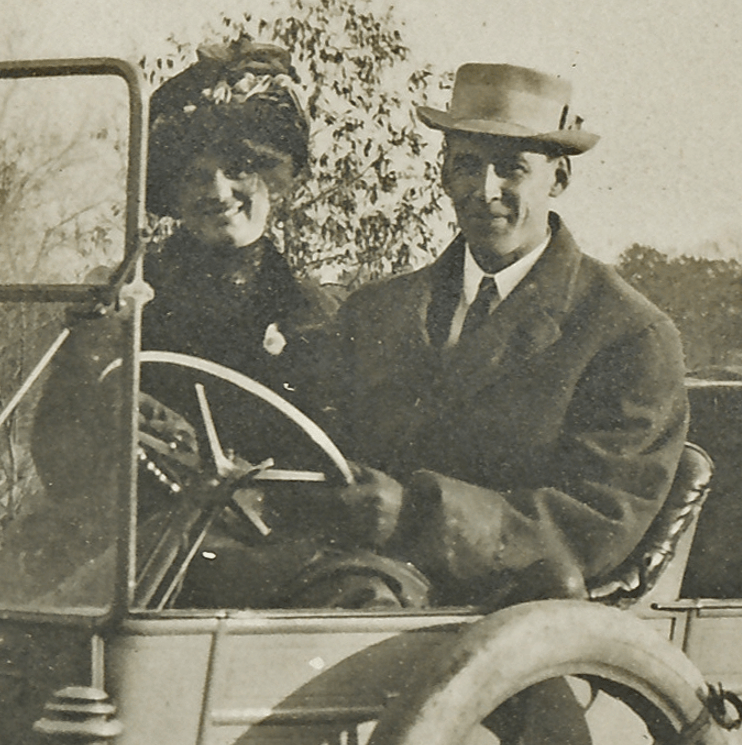
Examiner Brown’s report must have caused enough concern that local VA Chief Attorney William Glassner personally followed up noting that he “was not satisfied to place judgement” on the report filed by Brown. Glassner did not state how he obtained the information that he included in his follow up report dated 29 October 1936, but he concluded that Henry had come into the Ralph Smith home 3 years prior when Henry was unwanted by any relatives. Glassner stated Henry came from California where his family there “had no interest in keeping him.” Henry was reported to have been in fair health until recent months when he had begun to weaken. The Smiths were said to have taken Henry to their northern cottage every summer, except the past one, which they were advised not to do. The Smiths had their son Raymond coming to check on Henry even though Raymond was married and did not live in the Smith home.
Chief Attorney Glassner also reported that Henry was addicted to alcohol, which he said was provided to Henry in the amount of one bottle of whiskey every three days on the recommendation of a physician. Glassner noted that Henry was supposed to have had $2000 before coming to Milwaukee “which he turned over to his sisters in California” and that Henry now had $500 in a local bank. The Smiths were said to have had Henry cognitively examined and and made arrangements for him to create a will and that it was Henry’s intention to name Raymond as his heir. Henry reportedly was still signing his own checks which the Smiths cashed for him. Henry then paid the Smiths “whatever he feels like paying” and Henry also paid Raymond Smith for various tasks that he did at Henry’s request. Glassner concluded his report by stating that his finding was that Henry was in “just the home that he wants to have” and that Henry would not go to a Veteran’s Home because he would not be allowed to have his supply of whiskey there.
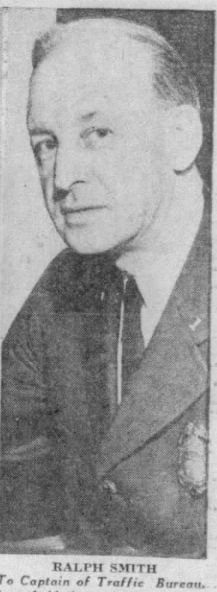
It should be noted that Ralph Smith was a Lieutenant in the Milwaukee Police Department in 1936 and was being promoted to acting captain of the traffic bureau in October while these Examiners were conducting their investigation. Glassner’s report does not indicate how he obtained his information, any mention of Henry’s mobility issues, nor even a mention of his broken leg. I do not know if Glassner would have had access to any of the medical records from Henry’s stay in Sawtelle, but there was no mention of a broken leg in the records there. The break would have had to have happened after leaving California. There is also no mention of Henry spending 25 years in a Veteran’s Home in California prior to his return to Wisconsin.
There are several factual issues with Glassner’s report. Henry did not really have family in California. His nephew Eugene Smith had died in Los Angeles in 1928, leaving his widow with two children. Henry’s sisters were both in Wisconsin – and had never lived in California – but were deceased before Henry took up residence with the Smiths. There was never any drinking noted in Henry’s medical files from 1905 – 1925. In fact, it was specifically noted that Henry’s debility was not due to any “vicious habits” on two of his exams. Since there is no source for the information reported by Glassner, it seems most likely that he spoke to Ralph or Sadie Smith. Whether Glassner performed his interview in person or via telephone is unclear but since he makes no mention of actually having observed Henry in the home, my money would be on the latter.
Two months after Glassner’s report, Henry was brought into the Milwaukee Veteran’s Hospital unconscious on a stretcher. On 17 December 1936, he was brought in by Sadie Smith who gave his history to the facility upon intake. She stated that Henry had lived with her family for the past 3 years, he was physically helpless, and had had “mild strokes” four or five times previously. Henry was “mentally clear” until 13 December, when he was found lying unconscious on the floor of his room near a radiator. Sadie reported that he never regained consciousness, but would mumble, and was urinating and defecating on himself.
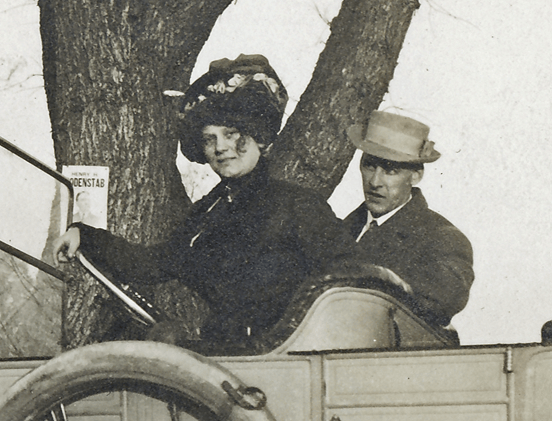
The report of the physician on intake noted that Henry was approximately 130 pounds, elderly, unconscious, with a bruise on his forehead (no skull fracture palpated). He had an irregular pulse, cyanotic lips and finger tips, and his left leg and hip were in a flexed position as was his right arm at the elbow. They diagnosed cerebral hemorrhage, myocarditis, and A- Fib. Henry’s first vitals were noted at 7PM on the 17th of December and by 8:15 AM on the 18th, he was deceased with no relatives present.
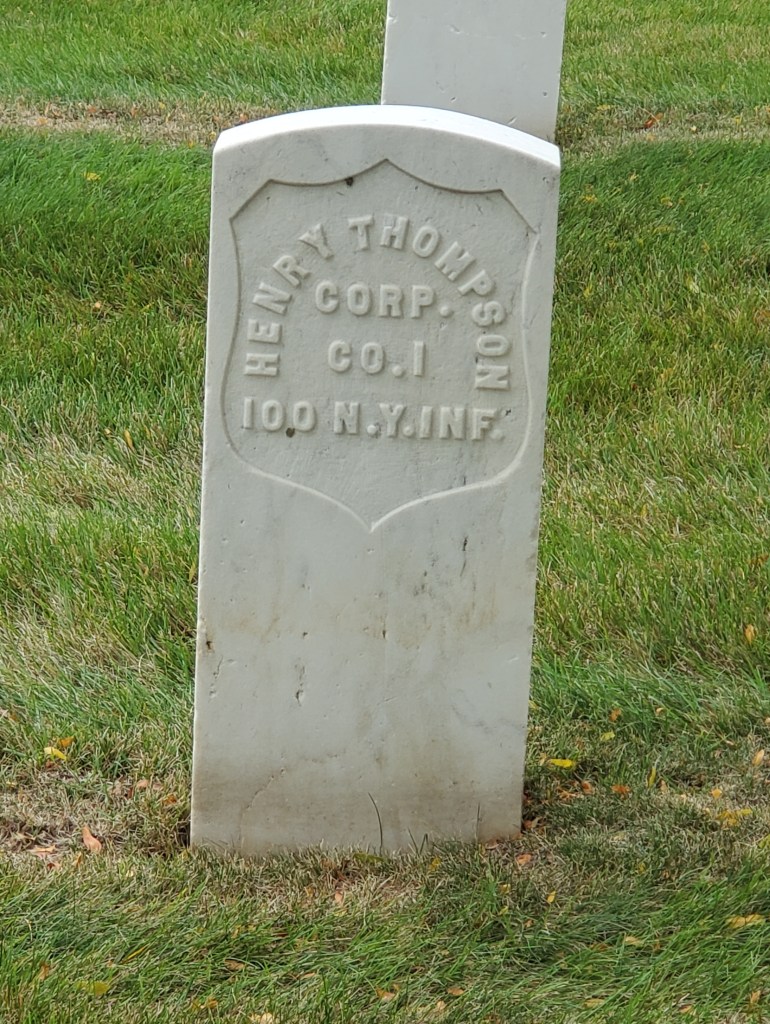
Henry’s personal effects included an undershirt, a pair of underwear, and his socks. Two yellow metal rings were also noted on his hands. In May of 1937, Ralph Smith replied after four letters were sent inquiring about what his wishes were for the effects by saying that he was his uncle’s heir by will and that he did not wish for any of his personal effects to be returned. Henry’s clothing was donated to Goodwill and his rings were sent to the government to be melted down. Henry was buried in a uniform with full honors provided by the Veteran’s Administration at a total cost of less than $45.00. He was buried on the grounds of the Milwaukee Soldier’s Home on 21 December 1936. I am making an assumption here, but I think that if any of the Smith family had come to the funeral, I believe the effects would have been returned at that time.
From the hospital reports it seems that the Smiths left Henry essentially unresponsive at home for 3 to 4 days before seeking treatment for his final “stroke.” It was not uncommon for people to die at home with family in 1936, so why did the Smiths decide to take Henry to the hospital after that length of time? As a veteran his care would have been covered by the VA so a concern about hospital bills was likely not the reason. Was the detail about Henry lying on the floor near the radiator mentioned to explain the bruise on his face? When did Henry break his leg and why was that never treated or set properly? Again, as a veteran, he was entitled to care at the VA Hospital. Why did no physician who examined Henry mention alcoholism – including his final examiner? Why was alcoholism not mentioned in the history given by Mrs. Smith when Henry arrived at the hospital? How did Henry’s weight go from 170 pounds when Raymond talked to Examiner Brown in mid-October to 130 pounds at his death in mid December? Even if he wasn’t able to eat for 4 days before his admission to the hospital, he would not have lost 40 pounds. Why did Henry not just go live at the Milwaukee Soldier’s Home for his final years?
Sadly, when we take the information given as a whole, the explanation that answers all of the questions is that the Smiths kept Henry for his pension money. Whether he was being physically abused or whether his injuries occurred due to his debility is something that cannot be definitively answered but my instinct is that if you cared for a person’s well being then you would assist them in seeking medical care. If Henry was too much of a physical burden, I am sure that the Smiths could have had him admitted – even against his will – to a Veteran’s Home. Mr. Smith being a police officer should have been familiar with attorneys and been able to seek legal advice in such a matter. The only thing that accounts for the discrepancy between the testimony of the neighbors and the information provided by Raymond Smith is that someone was lying. Who would stand to gain the most by their story? The neighbor’s stories were quite similar and they agreed on most of the main points making it less likely that someone was being petty and trying to get the Smiths in trouble for some reason. When looked at through a modern lens where we understand the tactics of abusers – isolation, financial control, physical and mental abuse, gaslighting, etc.. – there seems to be little doubt about Henry’s plight.
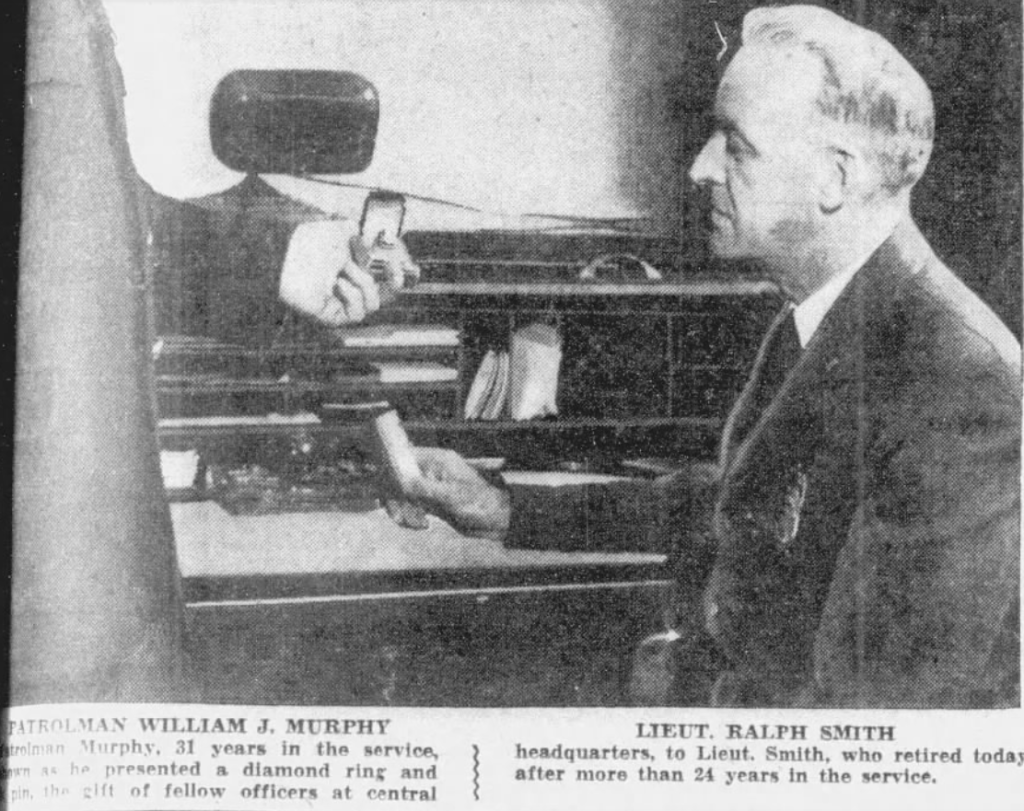
Ralph Smith retired on pension from the Milwaukee Police Department on 1 July 1937 and received a diamond pin and ring from the department as a thanks for 24 years of service. The Smith family relocated to Iron County Michigan by October 1937 after they sold their home in Milwaukee. Ralph and Sadie lived in their vacation home at 224 Hagerman Lake Road until Ralph’s death at age 64 from a heart attack while shoveling snow in 1947. Sadie then moved back to Milwaukee and lived in the Blatz Hotel. On the 1950 US Federal Census, Sadie reported her unearned income to be $1000.00 in 1949 which would be nearly $14,000 today. The income most likely came from Ralph’s pension and any leftover money from selling their two homes. Raymond Smith married but never had children and he died in 1998.
I am profoundly saddened by the thought of Henry – who must have enjoyed travel and adventure – being so confined in his last years with people who clearly did little to care for his most basic needs. The end of his life could have been so different had he stayed at the Sawtelle Veteran’s Home in California, if one or both of his sisters had outlived him, if he had stayed with his wife, if his child had not died.
Henry is at rest now in the cemetery at the Milwaukee Soldier’s Home. My husband and I visited his grave last fall.